Running a small business doesn’t mean you have to miss out on powerful tools. Discover the best inexpensive CRM software for small business that boosts efficiency, saves time, and grows your revenue—without breaking the bank.
Why Inexpensive CRM Software for Small Business Is a Game-Changer

For small businesses, every dollar counts. Investing in the right tools can mean the difference between stagnation and scalable growth. Customer Relationship Management (CRM) software, once considered a luxury for enterprise companies, is now accessible and affordable for startups and SMEs. The rise of cloud-based platforms has dramatically lowered entry costs, making inexpensive CRM software for small business not just feasible—but essential.
Boosting Sales with Minimal Investment
One of the primary reasons small businesses adopt CRM systems is to streamline their sales process. With an inexpensive CRM software for small business, teams can track leads from first contact to close, automate follow-ups, and prioritize high-value prospects. According to a Nucleus Research study, businesses gain an average of $8.71 for every dollar spent on CRM.
- Automated lead tracking reduces manual data entry.
- Visual sales pipelines help identify bottlenecks.
- Task reminders ensure no opportunity slips through the cracks.
This level of insight was once only available to large corporations with dedicated IT departments. Now, even solopreneurs can leverage powerful analytics and automation.
Improving Customer Retention and Satisfaction
Acquiring a new customer can cost five times more than retaining an existing one, according to Invesp. Inexpensive CRM software for small business helps nurture long-term relationships by centralizing customer interactions—emails, calls, purchase history, and support tickets—all in one place.
“A CRM isn’t just a database—it’s a relationship engine.” — Salesforce Blog
When your team has instant access to a customer’s history, service becomes more personalized and efficient. This leads to higher satisfaction, repeat purchases, and stronger brand loyalty.
Top 7 Inexpensive CRM Software for Small Business in 2024
Choosing the right CRM can feel overwhelming, especially when budgets are tight. To help you make an informed decision, we’ve compiled a list of the top seven inexpensive CRM software for small business that deliver maximum value at minimal cost. Each option balances affordability, usability, and scalability.
1. HubSpot CRM
HubSpot CRM stands out as one of the most popular free CRM platforms globally. It offers a robust free tier with no time limits, making it ideal for startups and growing businesses.
- Pricing: Free forever plan; paid plans start at $20/month.
- Key Features: Contact management, email tracking, deal pipelines, meeting scheduling, and live chat.
- Best For: Businesses looking for a scalable, user-friendly CRM with excellent integrations.
HubSpot integrates seamlessly with Gmail, Outlook, and over 1,000 apps via HubSpot Marketplace. Its intuitive interface makes onboarding quick, even for non-technical users. For more details, visit HubSpot’s official CRM page.
2. Zoho CRM
Zoho CRM is a powerful, budget-friendly solution that offers deep customization and AI-driven insights through Zia, its virtual assistant.
- Pricing: Free for up to 3 users; paid plans start at $14/user/month.
- Key Features: Sales automation, workflow rules, AI forecasting, social media integration, and telephony.
- Best For: Small teams needing automation and scalability without high costs.
Zoho CRM is especially strong for businesses with complex sales cycles. It supports multi-channel communication and provides detailed analytics. Learn more at Zoho CRM’s website.
3. Freshsales (by Freshworks)
Freshsales combines ease of use with powerful sales automation tools, making it a favorite among fast-growing small businesses.
- Pricing: Free plan for up to 10 users; paid plans start at $15/user/month.
- Key Features: Visual deal pipeline, AI-based lead scoring, built-in phone and email, and activity reminders.
- Best For: Sales-driven teams wanting real-time insights and automation.
Freshsales’ clean interface and smart features help sales reps focus on closing deals rather than data entry. Its AI engine identifies the most promising leads, increasing conversion rates. Explore it at Freshsales.io.
4. Agile CRM
Agile CRM offers an all-in-one platform that blends CRM, marketing automation, and helpdesk functionality—ideal for businesses wearing multiple hats.
- Pricing: Free for up to 10 users; paid plans start at $9.99/user/month.
- Key Features: Contact management, email campaigns, telephony, calendar sync, and web tracking.
- Best For: Small businesses needing CRM and marketing tools in one place.
Agile CRM’s strength lies in its bundled features. You get email marketing, lead capture forms, and even a basic website builder—all within the same platform. Visit AgileCRM.com for more.
5. Capsule CRM
Capsule CRM is a minimalist, no-frills solution perfect for businesses that value simplicity and reliability.
inexpensive crm software for small business – Inexpensive crm software for small business menjadi aspek penting yang dibahas di sini.
- Pricing: Free for 2 users; paid plans start at $18/user/month.
- Key Features: Contact and sales tracking, task management, calendar integration, and email sync.
- Best For: Small teams wanting a straightforward, easy-to-use CRM.
Capsule integrates well with Gmail, Outlook, and Mailchimp. While it lacks some advanced automation, its clean design and reliability make it a solid choice. Check it out at CapsuleCRM.com.
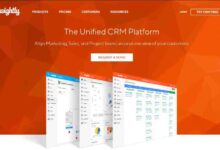
6. Insightly
Insightly is ideal for businesses managing both customer relationships and projects, offering a unique blend of CRM and project management.
- Pricing: Free plan for 2 users; paid plans start at $29/user/month.
- Key Features: Contact management, project tracking, workflow automation, and relationship linking.
- Best For: Small businesses with project-based workflows (e.g., consultants, agencies).
Insightly’s relationship linking feature allows you to map connections between contacts, companies, and opportunities—great for complex B2B sales. Learn more at Insightly.com.
7. Bitrix24
Bitrix24 is a feature-rich, open-source CRM that also includes collaboration tools like task management, document sharing, and video conferencing.
- Pricing: Free for up to 12 users; paid plans start at $49/month for unlimited users.
- Key Features: CRM, telephony, email marketing, project management, and intranet.
- Best For: Teams needing an all-in-one workspace with CRM capabilities.
Bitrix24 is especially powerful for remote teams. Its free plan is one of the most generous in the market. Visit Bitrix24.com to explore its full suite.
Key Features to Look for in Inexpensive CRM Software for Small Business
Not all CRMs are created equal. When evaluating inexpensive CRM software for small business, focus on features that directly impact your operations and growth. Avoid paying for bells and whistles you won’t use.
Contact and Lead Management
The core function of any CRM is organizing customer data. Look for software that allows you to:
- Store contact details, communication history, and notes.
- Tag and segment leads based on behavior or demographics.
- Duplicate detection to avoid clutter.
A clean, searchable database ensures your team spends less time hunting for information and more time building relationships.
Sales Pipeline and Automation
A visual sales pipeline helps teams track where each prospect stands. Automation features like email sequences, task assignments, and follow-up reminders reduce manual work and improve consistency.
“Automation doesn’t replace humans—it empowers them.” — Zapier Blog
Even inexpensive CRM software for small business should offer basic workflow automation to save time and reduce errors.
Mobile Access and Integration
Today’s business moves fast. Your CRM should be accessible from any device. Mobile apps allow sales reps to update records on the go, log calls, and view customer data during meetings.
Equally important are integrations with tools you already use—email, calendar, accounting software (like QuickBooks), and marketing platforms (like Mailchimp). These connections eliminate data silos and streamline workflows.
How to Choose the Right Inexpensive CRM Software for Small Business
Selecting the best CRM isn’t just about price. It’s about fit. A tool that works for a retail store might not suit a consulting firm. Follow these steps to make the right choice.
Assess Your Business Needs
Start by identifying your pain points. Are you losing leads? Struggling with follow-ups? Need better reporting? List your top 3-5 challenges. Then, match them to CRM features.
- Sales-heavy business? Prioritize pipeline management and automation.
- Service-based? Look for ticketing and scheduling features.
- Marketing-focused? Choose a CRM with email campaign tools.
This targeted approach ensures you invest in functionality that delivers real ROI.
Consider Scalability and Future Growth
Your CRM should grow with you. A free plan might work today, but will it support 20 users next year? Check upgrade paths and pricing tiers. Some platforms offer unlimited users at a flat rate (like Bitrix24), while others charge per user.
inexpensive crm software for small business – Inexpensive crm software for small business menjadi aspek penting yang dibahas di sini.
Also, consider API access and third-party integrations. As your business expands, you’ll likely need to connect your CRM to other systems like ERP, e-commerce, or advanced analytics tools.
Test Before You Commit
Most inexpensive CRM software for small business offers free trials or free plans. Take advantage of these. Set up a test environment, import sample data, and simulate real workflows.
- How intuitive is the interface?
- Can your team learn it quickly?
- Does it integrate with your current tools?
Involve key team members in the testing process. Their feedback is invaluable.
Common Mistakes to Avoid When Implementing CRM
Even the best inexpensive CRM software for small business can fail if implemented poorly. Avoid these common pitfalls to ensure a smooth rollout.
Skipping Employee Training
Adoption starts with understanding. If your team doesn’t know how to use the CRM, they’ll revert to spreadsheets or sticky notes. Invest time in onboarding and provide ongoing support.
Many platforms offer free training resources, webinars, and knowledge bases. Use them.
Over-Customizing Too Early
It’s tempting to tweak every field and workflow on day one. But over-customization can lead to complexity and confusion. Start with default settings, let your team get comfortable, then make incremental improvements.
“Perfect is the enemy of good.” — Voltaire
Focus on core functionality first. Refine later.
Ignoring Data Quality
A CRM is only as good as the data it contains. Incomplete or outdated records lead to missed opportunities and poor decision-making. Establish data entry standards and conduct regular cleanups.
Use duplicate detection and validation rules to maintain accuracy. Encourage team members to update records after every interaction.
Real-World Success Stories: How Small Businesses Benefit from Inexpensive CRM Software
Theoretical benefits are great, but real-world results are better. Here are two examples of small businesses that transformed their operations using inexpensive CRM software for small business.
Case Study 1: Local Marketing Agency Boosts Client Retention
A boutique marketing agency in Austin, Texas, struggled with managing client communications across email, phone, and Slack. They adopted HubSpot CRM’s free plan and integrated it with Gmail.
Within three months, they saw a 40% reduction in missed follow-ups and a 25% increase in client retention. The visual pipeline helped them identify stalled projects and re-engage clients proactively.
Case Study 2: E-Commerce Store Improves Sales Conversion
An online fashion retailer with 10 employees used spreadsheets to track orders and customer inquiries. After switching to Zoho CRM, they automated lead assignment and set up email sequences for abandoned carts.
Their sales conversion rate increased by 35% in six months. The team saved 15 hours per week on manual data entry, allowing them to focus on strategy and customer service.
Future Trends in CRM for Small Businesses
The CRM landscape is evolving rapidly. Staying ahead of trends ensures your inexpensive CRM software for small business remains effective and competitive.
inexpensive crm software for small business – Inexpensive crm software for small business menjadi aspek penting yang dibahas di sini.
AI and Predictive Analytics
Artificial intelligence is no longer science fiction. Modern CRMs use AI to predict customer behavior, recommend next steps, and automate repetitive tasks. For example, Freshsales’ AI scores leads based on engagement, helping reps prioritize outreach.
As AI becomes more accessible, even budget CRMs will offer smart insights, leveling the playing field for small businesses.
Increased Integration with Communication Tools
The future of CRM is embedded communication. Platforms are integrating directly with WhatsApp, SMS, and video conferencing tools. This allows businesses to engage customers on their preferred channels without switching apps.
For instance, HubSpot now supports WhatsApp messaging within its CRM, enabling personalized, real-time conversations.
Greater Emphasis on Data Privacy and Security
With rising concerns about data breaches and privacy regulations (like GDPR and CCPA), CRM providers are enhancing security features. Look for platforms that offer two-factor authentication, data encryption, and compliance certifications.
Choosing a secure CRM protects your business and builds customer trust.
What is the best inexpensive CRM software for small business?
The best inexpensive CRM software for small business depends on your needs. HubSpot CRM is ideal for ease of use and scalability, Zoho CRM for automation, and Freshsales for sales-focused teams. All offer free plans and affordable paid tiers.
Can I use CRM software for free?
Yes, many CRM platforms offer free plans. HubSpot, Zoho, Freshsales, Agile CRM, and Bitrix24 all provide free versions with core features suitable for small teams.
How does CRM software help small businesses grow?
CRM software helps small businesses grow by centralizing customer data, automating sales and marketing tasks, improving customer service, and providing actionable insights through reporting and analytics.
Is CRM software difficult to learn?
Most modern CRM systems are designed to be user-friendly. Platforms like HubSpot and Freshsales have intuitive interfaces and offer tutorials, onboarding guides, and customer support to help teams get started quickly.
Do I need technical skills to use CRM software?
No, you don’t need technical skills to use most inexpensive CRM software for small business. These tools are built for non-technical users, with drag-and-drop interfaces, pre-built templates, and seamless integrations.
inexpensive crm software for small business – Inexpensive crm software for small business menjadi aspek penting yang dibahas di sini.
Choosing the right inexpensive CRM software for small business can transform how you manage relationships, drive sales, and scale operations. From free plans to affordable subscriptions, today’s market offers powerful tools that fit tight budgets. Focus on your core needs, test options thoroughly, and prioritize ease of use and integration. With the right CRM, even the smallest business can operate like a well-oiled machine.
Recommended for you 👇
Further Reading:
