Finding the best CRM systems for small business can feel overwhelming, but the right tool can transform how you manage leads, nurture relationships, and scale efficiently—all without breaking the bank.

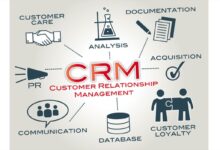
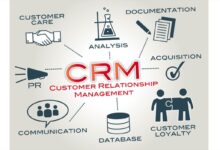
Why Small Businesses Need the Best CRM Systems for Small Business

Small businesses operate in a high-stakes environment where every lead counts and customer retention is crucial. Without structured systems, managing customer interactions across emails, calls, and social media becomes chaotic. A CRM (Customer Relationship Management) system centralizes all this data, turning scattered conversations into actionable insights.
Streamline Communication and Boost Efficiency
One of the primary benefits of using the best CRM systems for small business is the ability to streamline communication. Instead of juggling spreadsheets, sticky notes, and email threads, a CRM consolidates every customer interaction into a single, searchable profile.
- Automatically logs calls, emails, and meetings
- Tracks follow-up tasks and deadlines
- Enables team-wide visibility into client history
This level of organization reduces miscommunication and ensures no lead falls through the cracks. For example, a sales rep can instantly see that a client was emailed last week and is due for a follow-up call—no need to dig through inboxes.
Improve Customer Retention and Satisfaction
According to Zendesk’s Customer Experience Trends Report, 63% of customers expect companies to know their contact information and purchase history. A CRM makes this possible by storing all customer data in one place.
“A CRM isn’t just a database—it’s a relationship engine that helps small businesses deliver personalized experiences at scale.”
When a customer calls with a question, support staff can pull up their entire history in seconds. This leads to faster resolutions, fewer repeat inquiries, and higher satisfaction rates. Over time, this builds loyalty and increases lifetime customer value.
best crm systems for small business – Best crm systems for small business menjadi aspek penting yang dibahas di sini.
Top 7 Best CRM Systems for Small Business in 2024
The market is flooded with CRM options, but not all are created equal. We’ve evaluated dozens based on pricing, ease of use, scalability, and feature sets to bring you the seven best CRM systems for small business that deliver real value without complexity.
1. HubSpot CRM
HubSpot CRM stands out as the most user-friendly and powerful free CRM available. It’s ideal for startups and small teams that want robust features without upfront costs.
- Free forever plan with contact management, deal tracking, and email integration
- Seamless integration with Gmail and Outlook
- Advanced automation and workflow tools in paid tiers
One of HubSpot’s biggest strengths is its ecosystem. As your business grows, you can easily upgrade to marketing, sales, and service hubs. Its intuitive interface makes onboarding new team members quick and painless. Learn more at HubSpot CRM.
2. Zoho CRM
Zoho CRM is a feature-rich platform tailored for small to mid-sized businesses. It offers deep customization and AI-powered insights through Zia, its virtual assistant.
- AI-driven sales forecasting and lead scoring
- Customizable sales pipelines and automation rules
- Mobile app with offline access
Zoho CRM excels in automation, allowing businesses to set triggers for follow-up emails, task assignments, and notifications. Its pricing is highly competitive, starting at $14/user/month. For more details, visit Zoho CRM.
3. Salesforce Essentials
Salesforce, a global leader in CRM, offers Salesforce Essentials—a simplified version designed specifically for small businesses with up to 10 users.
best crm systems for small business – Best crm systems for small business menjadi aspek penting yang dibahas di sini.
- Cloud-based with real-time data syncing
- Pre-built templates for common industries
- Integration with email, calendar, and third-party apps
While more expensive than some alternatives, Salesforce Essentials provides enterprise-grade security and scalability. It’s perfect for businesses planning rapid growth. Explore it at Salesforce Essentials.
4. Freshsales (by Freshworks)
Freshsales is known for its modern interface and built-in phone, email, and chat capabilities. It’s a great choice for sales-driven small businesses.
- Integrated VoIP calling and click-to-call features
- Visual deal pipeline with drag-and-drop functionality
- Lead scoring and AI-based insights
Freshsales also offers a free plan with up to 10 users, making it accessible for bootstrapped startups. Its AI assistant, Freddy, helps prioritize leads and suggests next steps. Learn more at Freshsales CRM.
5. Insightly
Insightly combines CRM with project management, making it ideal for service-based businesses like consultants, contractors, and agencies.
- Project and task tracking within customer records
- Workflow automation and relationship linking
- Robust API for custom integrations
Its relationship linking feature allows you to map connections between contacts, organizations, and projects—perfect for complex client ecosystems. Pricing starts at $29/user/month. Visit Insightly for more.
6. Pipedrive
Pipedrive is built for sales teams that want a visual, pipeline-first approach. It’s one of the most intuitive CRMs for managing deals.
best crm systems for small business – Best crm systems for small business menjadi aspek penting yang dibahas di sini.
- Drag-and-drop sales pipeline with customizable stages
- Activity reminders and goal tracking
- Extensive app marketplace for integrations
Pipedrive’s strength lies in its simplicity. It focuses on moving deals forward, minimizing distractions. It’s especially popular among real estate agents, freelancers, and B2B sales teams. Check it out at Pipedrive.
7. Agile CRM
Agile CRM offers an all-in-one solution combining sales, marketing, and service features at an affordable price.
- Free plan with up to 10 users
- Marketing automation, email campaigns, and web tracking
- Telephony, helpdesk, and calendar sync
While not as polished as some competitors, Agile CRM packs a lot of functionality into a budget-friendly package. It’s best suited for small businesses that need a full suite of tools without multiple subscriptions. Learn more at Agile CRM.
Key Features to Look for in the Best CRM Systems for Small Business
Not all CRMs are built the same. When evaluating options, focus on features that align with your business goals and workflows. The best CRM systems for small business balance functionality with ease of use.
Contact and Lead Management
At its core, a CRM should help you organize and track every lead and customer. Look for systems that allow you to:
- Import contacts from email, social media, or spreadsheets
- Tag and segment contacts by industry, location, or behavior
- Track lead sources and conversion rates
Effective lead management ensures your sales team can prioritize high-value prospects and nurture them through the funnel.
best crm systems for small business – Best crm systems for small business menjadi aspek penting yang dibahas di sini.
Sales Pipeline and Deal Tracking
A visual sales pipeline gives you real-time insight into where each deal stands. The best CRM systems for small business offer customizable stages (e.g., Prospecting, Demo Scheduled, Negotiation) and drag-and-drop functionality.
“A clear pipeline doesn’t just track deals—it predicts revenue and identifies bottlenecks.”
Advanced systems also provide forecasting tools that estimate monthly or quarterly revenue based on current pipeline data.
Automation and Workflow Tools
Automation saves time and reduces human error. Common automations include:
- Sending follow-up emails after a form submission
- Assigning tasks when a deal moves to a new stage
- Updating contact fields based on user behavior
The best CRM systems for small business allow you to create custom workflows without coding. This empowers non-technical users to streamline repetitive tasks.
Integration Capabilities: Why They Matter
A CRM shouldn’t exist in isolation. It needs to connect with your email, calendar, marketing tools, and accounting software to function effectively.
Email and Calendar Sync
The ability to sync with Gmail or Outlook is non-negotiable. This allows you to log emails automatically, schedule meetings directly from the CRM, and view calendar events alongside customer records.
best crm systems for small business – Best crm systems for small business menjadi aspek penting yang dibahas di sini.
- Reduces manual data entry
- Ensures all communication is tracked
- Improves team coordination
For example, HubSpot and Zoho CRM offer seamless two-way sync, making it easy to manage your day-to-day from within the CRM.
Marketing and Advertising Tools
Many small businesses run email campaigns or ads on Facebook and Google. A CRM that integrates with Mailchimp, Facebook Ads, or Google Analytics can track campaign performance and attribute leads to specific efforts.
- Measure ROI of marketing campaigns
- Automate lead nurturing sequences
- Track website visitors and form submissions
Zoho CRM and Agile CRM offer built-in marketing automation, while HubSpot excels in this area with its full marketing hub.
Accounting and E-commerce Platforms
If you sell products or services, integrating your CRM with QuickBooks, Xero, or Shopify can streamline invoicing, order tracking, and customer service.
- Sync customer data between CRM and accounting software
- Automate invoice creation after a deal closes
- Track purchase history for better upselling
Insightly and Freshsales offer strong integrations with these platforms, reducing double data entry and improving accuracy.
Scalability and Customization Options
As your business grows, your CRM should grow with you. The best CRM systems for small business offer scalability and customization to adapt to changing needs.
best crm systems for small business – Best crm systems for small business menjadi aspek penting yang dibahas di sini.
Custom Fields and Layouts
Every business has unique data requirements. Whether you need to track client industries, project budgets, or service tiers, custom fields allow you to capture the information that matters.
- Add custom fields to contact, deal, or company records
- Create custom modules for niche data (e.g., properties for real estate)
- Modify page layouts to suit team roles
Zoho CRM and Salesforce Essentials lead in this area, offering deep customization without requiring technical expertise.
User Roles and Permissions
As your team expands, you’ll need to control who sees what. Role-based permissions ensure sensitive data (like pricing or contracts) is only accessible to authorized personnel.
- Define roles like Sales Rep, Manager, or Admin
- Set field-level and record-level access
- Audit user activity for compliance
This is crucial for maintaining data integrity and security, especially in regulated industries.
API Access and Third-Party Development
For advanced users, API access opens the door to custom integrations and automations. The best CRM systems for small business provide well-documented APIs and developer support.
- Build custom apps or dashboards
- Connect to legacy systems or niche tools
- Automate complex workflows across platforms
Insightly and Pipedrive offer robust APIs, making them suitable for tech-savvy teams.
best crm systems for small business – Best crm systems for small business menjadi aspek penting yang dibahas di sini.
Cost Considerations: Finding Value, Not Just Low Price
While budget is important, the cheapest CRM isn’t always the best value. Consider total cost of ownership, including training, integration, and potential upgrades.
Free vs. Paid Plans
Several top CRMs offer free plans (HubSpot, Agile CRM, Freshsales), which are great for getting started. However, free tiers often limit features like automation, reporting, or user count.
- Free plans are ideal for solopreneurs or very small teams
- Paid plans unlock advanced features and support
- Some free CRMs include branding or usage caps
Always evaluate whether a free plan meets your long-term needs before committing.
Subscription Models and Hidden Costs
Most CRMs charge per user per month, but some have tiered pricing based on features. Watch out for:
- Additional fees for phone support or training
- Costs for add-on modules (e.g., marketing automation)
- Price increases when upgrading tiers
For example, Zoho CRM’s Standard plan is $14/user/month, but the Professional plan jumps to $23/user/month for advanced automation.
Return on Investment (ROI) of a CRM
A good CRM pays for itself. Studies show that businesses using CRM systems see a 29% increase in sales (Nucleus Research). Consider how a CRM can:
best crm systems for small business – Best crm systems for small business menjadi aspek penting yang dibahas di sini.
- Reduce time spent on admin tasks by 30-50%
- Increase lead conversion rates through better follow-up
- Improve customer retention and lifetime value
“Investing in the best CRM systems for small business isn’t an expense—it’s a growth accelerator.”
Implementation Tips for Maximum Success
Even the best CRM will fail if not implemented properly. Follow these best practices to ensure a smooth rollout.
Start with Clear Goals
Define what you want to achieve: more leads? faster follow-ups? better reporting? Clear goals guide your CRM selection and configuration.
- Identify key performance indicators (KPIs)
- Map current workflows to CRM features
- Set measurable targets (e.g., reduce response time by 50%)
This ensures your CRM aligns with business objectives from day one.
Train Your Team Thoroughly
User adoption is the biggest hurdle in CRM success. Provide hands-on training and ongoing support.
- Run onboarding sessions for each team
- Create quick-reference guides and videos
- Appoint a CRM champion to answer questions
HubSpot and Zoho offer free training resources and certifications to help teams get up to speed.
Migrate Data Carefully
Importing messy or outdated data can cripple your CRM. Clean your data before migration:
best crm systems for small business – Best crm systems for small business menjadi aspek penting yang dibahas di sini.
- Remove duplicates and incomplete records
- Standardize formats (e.g., phone numbers, addresses)
- Test with a small batch before full import
Most CRMs offer import tools for CSV files, and some provide migration services for larger datasets.
What is the best CRM for a small business just starting out?
For startups, HubSpot CRM is often the best choice due to its free plan, ease of use, and scalability. It offers essential features like contact management, email tracking, and deal pipelines without overwhelming new users.
Can I use a CRM if I have only one or two employees?
Absolutely. Even solopreneurs benefit from a CRM. Tools like Agile CRM and Freshsales offer free plans for up to 10 users, making them perfect for small teams. A CRM helps you stay organized, follow up consistently, and scale efficiently.
Do I need technical skills to use a CRM?
best crm systems for small business – Best crm systems for small business menjadi aspek penting yang dibahas di sini.
Most modern CRMs are designed for non-technical users. Platforms like Pipedrive and HubSpot have intuitive interfaces and drag-and-drop builders. You don’t need coding skills for basic setup, though advanced customization may require some learning.
How long does it take to implement a CRM?
Simple CRMs can be up and running in a day. More complex systems with custom workflows may take 2-4 weeks. The key is starting small—import contacts, set up basic pipelines, and gradually add features as your team adapts.
Are cloud-based CRMs secure?
Yes, reputable cloud-based CRMs use enterprise-grade security, including encryption, two-factor authentication, and regular backups. Providers like Salesforce and HubSpot comply with GDPR and other data protection regulations.
Choosing the best CRM systems for small business is a strategic decision that can shape your growth trajectory. From HubSpot’s user-friendly free tier to Zoho’s powerful automation, the right CRM centralizes customer data, streamlines sales, and enhances service. Focus on ease of use, integration, scalability, and ROI—not just price. With proper implementation and team training, a CRM becomes more than software; it becomes the backbone of your customer strategy. Evaluate your needs, test a few options, and invest in a tool that grows with you.
Further Reading:
