Running a small business? You need every edge to stay competitive. Enter CRM software small business solutions—your secret weapon for smarter customer relationships, streamlined workflows, and explosive growth. Let’s dive in.
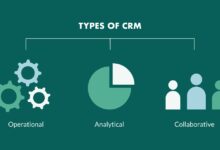
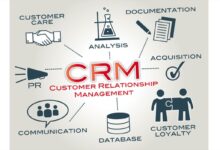
Why CRM Software Small Business Adoption Is No Longer Optional

In today’s hyper-connected market, small businesses can’t afford to manage customer interactions with spreadsheets or sticky notes. CRM (Customer Relationship Management) software has evolved from a luxury for enterprise giants to a necessity for small teams aiming to scale efficiently. The right CRM software small business platforms offer automation, data centralization, and actionable insights that level the playing field.
Eliminating Data Silos Across Teams
One of the biggest challenges small businesses face is fragmented communication. Sales, marketing, and support teams often operate in isolation, leading to duplicated efforts and missed opportunities. A centralized CRM system ensures that every customer interaction—whether it’s an email, call, or support ticket—is logged and accessible to authorized team members.
- Real-time updates prevent miscommunication
- Shared access improves collaboration
- Historical data enables personalized follow-ups
According to Salesforce’s State of Sales Report, high-performing sales teams are 2.2x more likely to use CRM systems consistently than underperformers.
Boosting Sales Efficiency and Forecasting Accuracy
CRM software small business tools don’t just store data—they turn it into strategy. With built-in sales pipelines, task automation, and forecasting models, small businesses can predict revenue trends with greater accuracy.
“A CRM is not just a database; it’s a decision engine.” — Gartner Research
Automated reminders for follow-ups, lead scoring, and deal stage tracking ensure no opportunity slips through the cracks. This level of organization is especially critical when resources are limited and every lead counts.
Top 5 CRM Software Small Business Solutions in 2024
Not all CRM platforms are created equal—especially for small businesses with tight budgets and lean teams. We’ve analyzed features, pricing, scalability, and user experience to bring you the top five CRM software small business options that deliver real value.
1. HubSpot CRM
HubSpot CRM stands out as the most user-friendly and feature-rich free CRM on the market. Designed with small businesses in mind, it offers an intuitive interface, seamless integrations, and powerful automation tools—all without costing a dime for the core features.
- Free forever plan with contact management, email tracking, and deal pipelines
- Seamless integration with Gmail, Outlook, and HubSpot’s marketing suite
- Customizable dashboards and reporting
For businesses planning to scale, HubSpot’s paid tiers offer advanced workflows, live chat, and customer service hubs. Learn more at HubSpot CRM official site.
2. Zoho CRM
Zoho CRM is a powerhouse for small businesses seeking affordability without sacrificing functionality. With AI-driven insights via Zia (Zoho’s virtual assistant), workflow automation, and robust mobile capabilities, it’s ideal for growing teams.
- AI-powered sales forecasting and lead scoring
- Highly customizable modules for sales, marketing, and support
- Starting at $14/user/month, it’s budget-friendly
Zoho also integrates with over 40 business applications, including QuickBooks, Mailchimp, and Google Workspace. Explore its full potential at Zoho CRM.
3. Salesforce Essentials
Salesforce, the global CRM leader, offers Salesforce Essentials—a streamlined version tailored specifically for small businesses. It brings enterprise-grade reliability and scalability to startups and SMBs.
- Role-based access control for team security
- Pre-built templates for common sales processes
- Mobile app with offline access
Priced at $25/user/month, it’s a premium option but worth the investment for businesses serious about long-term growth. Visit Salesforce Essentials for details.
4. Freshsales (by Freshworks)
Freshsales combines simplicity with smart automation. Its visual sales pipeline, built-in phone and email, and AI-based lead prioritization make it a favorite among tech-savvy small business owners.
- Integrated phone, email, and chat within the CRM
- AI-driven insights for deal predictions
- Free plan available with up to 10 users
The platform excels in reducing manual data entry with automatic logging of interactions. Check it out at Freshsales CRM.
5. Insightly
Insightly bridges the gap between CRM and project management—perfect for small businesses managing client projects alongside sales. It’s particularly strong for service-based companies like consultants, agencies, and contractors.
- Project and task management integrated with CRM
- Workflow automation for lead nurturing
- Customer relationship timelines for better context
Pricing starts at $29/user/month, and it integrates with G Suite, Microsoft 365, and Mailchimp. Learn more at Insightly.
Key Features to Look for in CRM Software Small Business Platforms
Choosing the right CRM isn’t just about brand names—it’s about matching features to your business needs. Here are the essential capabilities every small business should prioritize when evaluating CRM software small business tools.
Contact and Lead Management
The foundation of any CRM is its ability to store, organize, and enrich contact data. Look for systems that allow you to segment leads by source, behavior, or lifecycle stage.
- Automated data capture from emails, forms, and calls
- Duplicate detection and merge tools
- Custom fields for industry-specific data
A well-organized contact database enables targeted marketing and personalized outreach, increasing conversion rates.
Sales Pipeline and Deal Tracking
A visual sales pipeline helps teams understand where each deal stands and what actions are needed next. The best CRM software small business platforms offer drag-and-drop interfaces, stage-specific tasks, and probability-based forecasting.
“Visibility into the sales funnel reduces guesswork and improves accountability.” — Harvard Business Review
Advanced systems even suggest next steps based on historical data, helping new reps perform like veterans.
Automation and Workflow Tools
Time is your scarcest resource. Automation features like email sequences, task assignments, and follow-up reminders free up hours each week.
- Automated lead assignment based on rules
- Trigger-based actions (e.g., send email after form submission)
- Approval workflows for quotes or contracts
These tools reduce human error and ensure consistency in customer communication.
How CRM Software Small Business Tools Improve Customer Experience
Great customer experience isn’t accidental—it’s engineered. CRM software small business solutions empower teams to deliver timely, relevant, and personalized interactions at scale.
360-Degree Customer View
Imagine knowing a customer’s entire history before they even speak. With a CRM, every touchpoint—from initial inquiry to post-sale support—is recorded in one place.
- Full interaction history (calls, emails, meetings)
- Purchase history and preferences
- Support tickets and resolutions
This holistic view allows for empathetic, informed service that builds loyalty.
Personalized Marketing and Communication
CRM data fuels targeted campaigns. Segment your audience based on behavior, demographics, or engagement level to send hyper-relevant messages.
- Automated email campaigns for onboarding or re-engagement
- Dynamic content based on user preferences
- A/B testing for subject lines and CTAs
According to CMO.com, personalized emails deliver 6x higher transaction rates than generic ones.
Faster Response Times and Issue Resolution
In customer service, speed matters. CRM software small business platforms with integrated help desks route tickets to the right agent, track response times, and escalate issues automatically.
- SLA (Service Level Agreement) tracking
- Knowledge base integration for self-service
- Customer satisfaction (CSAT) surveys
These features not only resolve issues faster but also demonstrate reliability to your clients.
Integration Capabilities: Making Your CRM the Central Hub
Your CRM shouldn’t exist in isolation. The best CRM software small business tools integrate seamlessly with your existing tech stack—email, calendar, accounting, marketing, and more.
Email and Calendar Sync
Manual logging of emails and meetings is a productivity killer. Top CRMs sync with Gmail, Outlook, and Google Calendar to automatically record interactions.
- One-click logging of sent emails
- Meeting scheduling via CRM-powered links
- Calendar overlays with deal context
This integration ensures no follow-up is missed and reduces administrative overhead.
Accounting and Payment Systems
For small businesses, connecting CRM to accounting software like QuickBooks or Xero eliminates double data entry and improves financial accuracy.
- Automatic invoice creation from won deals
- Revenue tracking by customer or campaign
- Tax and reporting compliance
This linkage provides a complete picture of customer lifetime value (CLV).
Marketing Automation Platforms
Integrating your CRM with tools like Mailchimp, ActiveCampaign, or HubSpot Marketing Hub enables closed-loop marketing—where you track leads from first click to final sale.
“Integration turns data into intelligence.” — McKinsey & Company
You can measure campaign ROI accurately and refine strategies based on real performance data.
Implementation Tips for CRM Software Small Business Success
Even the best CRM software small business tools will fail if not implemented correctly. Follow these proven strategies to ensure adoption and maximize ROI.
Start with Clear Goals and Processes
Before selecting a CRM, define what you want to achieve: more leads? Faster sales cycles? Better customer retention? Map your current sales and support processes to identify pain points.
- Document your customer journey from awareness to advocacy
- Identify key metrics (KPIs) to track in the CRM
- Involve team members in the planning phase
Clear objectives ensure the CRM is configured to support your actual workflow, not the other way around.
Train Your Team Thoroughly
User adoption is the #1 reason CRM projects fail. Invest time in comprehensive training—both initial onboarding and ongoing support.
- Host live training sessions with Q&A
- Create video tutorials and quick-reference guides
- Appoint a CRM champion within the team
According to Nucleus Research, companies that provide CRM training see 3x higher user adoption rates.
Migrate Data Carefully and Clean It First
Importing messy or outdated data into a new CRM can cripple its effectiveness. Clean your existing data before migration.
- Remove duplicates and incomplete records
- Standardize naming conventions (e.g., job titles, company names)
- Verify email and phone numbers
Most CRM vendors offer data migration services or partner with specialists to ensure a smooth transition.
Measuring ROI: How CRM Software Small Business Tools Pay for Themselves
Investing in CRM software small business platforms isn’t an expense—it’s a growth accelerator. But how do you measure its return?
Increased Sales Conversion Rates
With better lead tracking and follow-up automation, businesses often see a 20–30% increase in conversion rates within the first six months of CRM use.
- Track lead-to-deal conversion before and after CRM implementation
- Compare average deal size and sales cycle length
- Monitor win/loss reasons for insights
HubSpot reports that businesses using CRM see a 29% increase in sales forecast accuracy.
Time Savings and Operational Efficiency
Automating repetitive tasks frees up time for high-value activities like closing deals or building relationships.
- Estimate hours saved weekly on manual data entry
- Measure reduction in follow-up delays
- Track team productivity via CRM activity logs
Even saving 5 hours per rep per week translates to significant cost savings annually.
Improved Customer Retention and Lifetime Value
Happy customers stay longer and spend more. CRM tools help identify at-risk clients and trigger retention campaigns.
- Monitor churn rates pre- and post-CRM
- Track repeat purchase rates and upsell success
- Calculate customer lifetime value (CLV) improvements
According to Bain & Company, increasing customer retention rates by 5% increases profits by 25% to 95%.
What is CRM software for small business?
CRM software for small business is a digital platform that helps manage customer interactions, track sales leads, automate marketing, and improve customer service. It centralizes data to boost efficiency and growth.
Is CRM software worth it for small businesses?
Yes. CRM software small business tools increase sales productivity, improve customer satisfaction, and provide data-driven insights. Most offer affordable or free plans tailored to small teams.
Can I use CRM software without technical skills?
Absolutely. Modern CRM platforms like HubSpot and Zoho are designed with intuitive interfaces, drag-and-drop builders, and guided onboarding—no coding required.
How much does CRM software cost for small businesses?
Prices range from free (HubSpot, Freshsales) to $50/user/month for advanced features. Most offer scalable plans, so you only pay for what you need.
How long does it take to implement a CRM?
Simple CRMs can be set up in a day. Full implementation with data migration and training typically takes 2–6 weeks, depending on complexity.
Choosing the right CRM software small business solution is one of the smartest moves you can make. From HubSpot’s free tier to Salesforce’s enterprise-grade Essentials, there’s a tool for every budget and need. The key is to start, stay consistent, and let data drive your decisions. With the right CRM, your small business won’t just survive—it will thrive.
crm software small business – Crm software small business menjadi aspek penting yang dibahas di sini.
Further Reading:
